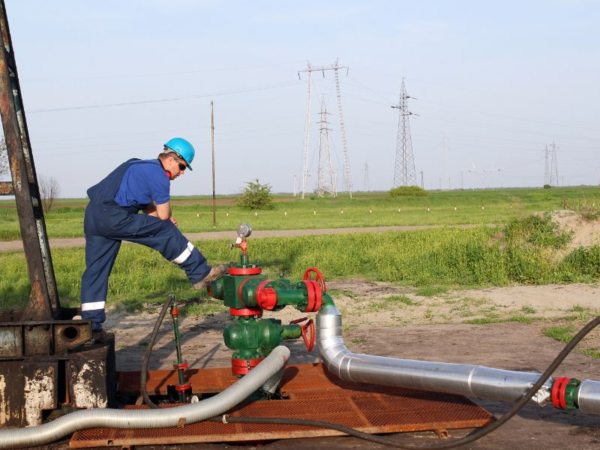

In demanding industrial environments, equipment reliability is critical. Whether operating in oil and gas production, compressor systems, or refinery applications, unexpected downtime can quickly lead to lost productivity and increased operating costs. That’s why many facilities rely on high-quality seal-welded valves from Keckley Company to keep operations running efficiently.
Properly rated seal-welded valves are designed to perform under high-pressure and high-temperature conditions while minimizing the risk of leaks and failures. Their durable construction helps extend service life and reduce maintenance interruptions, allowing plants and systems to operate more consistently.
While lower-priced valves may appear cost-effective upfront, they often require more frequent repairs or replacement. Inferior materials and construction can lead to premature wear, leakage, and costly downtime. Investing in premium valves from Keckley Company can deliver long-term savings through improved reliability, lower maintenance costs, and greater operational efficiency.
What Applications Require Seal-Welded Ball Valves?
Seal-welded ball valves are commonly specified for critical service applications where leak prevention, safety, and long-term reliability are essential. Engineering sources indicate these valves are widely used in:
- High-pressure oil and gas pipelines
- Compressor stations and gas transmission systems
- Refinery and petrochemical processing
- Hazardous or corrosive chemical handling
- Steam and high-temperature systems
- Underground or difficult-to-access pipeline installations
- Subsea and offshore applications
- Natural gas distribution systems
Because seal-welded construction eliminates many external leak paths and gasket failure points, these valves are preferred in systems where maintenance access is limited or where downtime can be extremely costly. Their fully welded body design also improves resistance to vibration, pressure cycling, and harsh operating environments.
For industries where uptime matters most, choosing quality components is more than a purchase decision — it’s an investment in productivity, safety, and long-term performance.